
Introduction
Money is more than just a medium of exchange or a measure of success. It influences how we think, act, and even perceive our own value. Despite being at the core of every modern economy, most people underestimate how psychology and human behavior affect financial decisions. The real determinant of wealth is not knowledge alone but behavioral discipline—how consistently and rationally one can act when emotions and markets collide.
In this article, we’ll explore the deep psychological factors and cognitive biases that influence how individuals manage, invest, and perceive money. This is not a beginner’s guide; it’s a deep dive into the mindset that separates those who sustain wealth from those who merely chase it.
The Hidden Influence of Cognitive Biases in Money Decisions
When it comes to financial choices, people often assume that logic leads the way. In reality, our brains are wired to rely on shortcuts—known as cognitive biases—that can distort judgment. Understanding these biases is the first step toward mastering financial behavior.
1. The Overconfidence Bias
Overconfidence can be both a motivator and a wealth destroyer. Many investors believe they can consistently “beat the market” because of prior success or limited positive experiences. This illusion of control often leads to excessive trading, risky bets, and poor diversification.
For instance, during bullish periods, people tend to underestimate potential losses, convinced that their intuition or strategy is foolproof. True financial maturity lies in humility—accepting uncertainty and respecting randomness in markets.
2. Loss Aversion and Emotional Anchoring
Psychologist Daniel Kahneman’s research revealed that people fear losses twice as much as they value equivalent gains. This phenomenon, known as loss aversion, makes investors hold onto failing assets longer than they should.
Emotionally, people “anchor” their expectations to past performance or a specific purchase price, refusing to sell because it means acknowledging a mistake. The wealthy, however, separate ego from economics—they treat losses as data, not as personal failures.
3. The Recency Effect
The recency bias is the tendency to give disproportionate weight to recent experiences. After a few months of rising stock prices, investors assume the trend will continue indefinitely. This same bias drives panic selling during short-term downturns.
Successful investors combat this by zooming out—analyzing historical cycles, not headlines. Long-term wealth builders focus on patterns over decades, not weeks.
4. The Herd Mentality Trap
Humans are social creatures, and our instincts to follow others often spill into financial behavior. Herd mentality causes individuals to invest in trends—cryptocurrency booms, meme stocks, or real estate bubbles—without evaluating intrinsic value.
In contrast, those who thrive financially usually move in the opposite direction. They understand that true opportunity often exists in discomfort, where the crowd is hesitant or fearful.
5. The Endowment Effect
People tend to overvalue what they already own simply because they own it. This endowment effect can lead to irrational attachment to underperforming investments or outdated business strategies.
Recognizing this bias helps in making objective decisions based on data, not sentiment. Wealth preservation often depends on knowing when to detach emotionally from one’s assets.
Behavioral Traps That Destroy Wealth
Beyond biases, certain psychological traps repeatedly sabotage financial success. These aren’t about ignorance—they’re about behavioral discipline and mindset.
1. Lifestyle Inflation
As income increases, so do spending habits. This phenomenon—known as lifestyle creep—creates the illusion of progress without actual wealth accumulation.
People justify higher expenses under the pretense of “rewarding themselves.” However, wealth is not built by how much one earns but by how much one retains and reinvests. The key lies in maintaining a value-based lifestyle rather than a status-driven one.
2. The Illusion of Liquidity
In the digital era, financial apps make investing feel instantaneous. While this convenience is beneficial, it fuels impulsive decision-making. Frequent checking of portfolio values triggers emotional reactions—greed during rallies and fear during dips.
The wealthiest investors often have the fewest transactions because they understand that true wealth grows in silence, not in constant motion.
3. The Comfort of Familiarity
Many people prefer familiar investment options—like domestic stocks or local property—due to the familiarity bias. This comfort-driven behavior limits diversification and increases risk exposure.
Sophisticated investors actively fight this bias by exploring global markets, alternative assets, and emerging sectors—spreading risk intelligently.
Developing a Wealth-Oriented Mindset
Behavioral mastery over money starts with self-awareness. The goal isn’t to eliminate biases—they’re hardwired—but to recognize and manage them consciously.
1. Adopt a Probabilistic Thinking Approach
Instead of viewing financial outcomes as success or failure, think in terms of probabilities. Every decision carries a range of possible results influenced by variables beyond control.
Great investors don’t seek certainty; they seek favorable odds and position themselves accordingly.
2. Focus on Process Over Outcome
The process-driven mindset separates emotional investors from rational ones. Wealth creation is the byproduct of consistent decision quality, not occasional brilliance.
Develop structured financial habits—like quarterly reviews, predefined risk limits, and systematic rebalancing—to reduce impulsive reactions.
3. Embrace Patience as a Competitive Advantage
In an age dominated by instant gratification, patience is a superpower. Compound growth rewards those who can delay pleasure and resist the temptation of short-term results.
The wealthy understand that time in the market outweighs timing the market. This mindset creates an asymmetry where disciplined patience becomes a wealth multiplier.
The Intersection of Psychology and Financial Strategy
True financial mastery combines strategy with emotional intelligence. Behavioral finance is not just about knowing market cycles—it’s about managing human tendencies within them.
Investors who acknowledge their psychological weaknesses can build systems—like automated investing, diversified portfolios, and accountability partners—to safeguard against emotion-driven mistakes.
Furthermore, aligning financial goals with personal values reduces anxiety and increases long-term consistency. Money becomes not just a means of accumulation but a tool for purpose, freedom, and fulfillment.
Conclusion
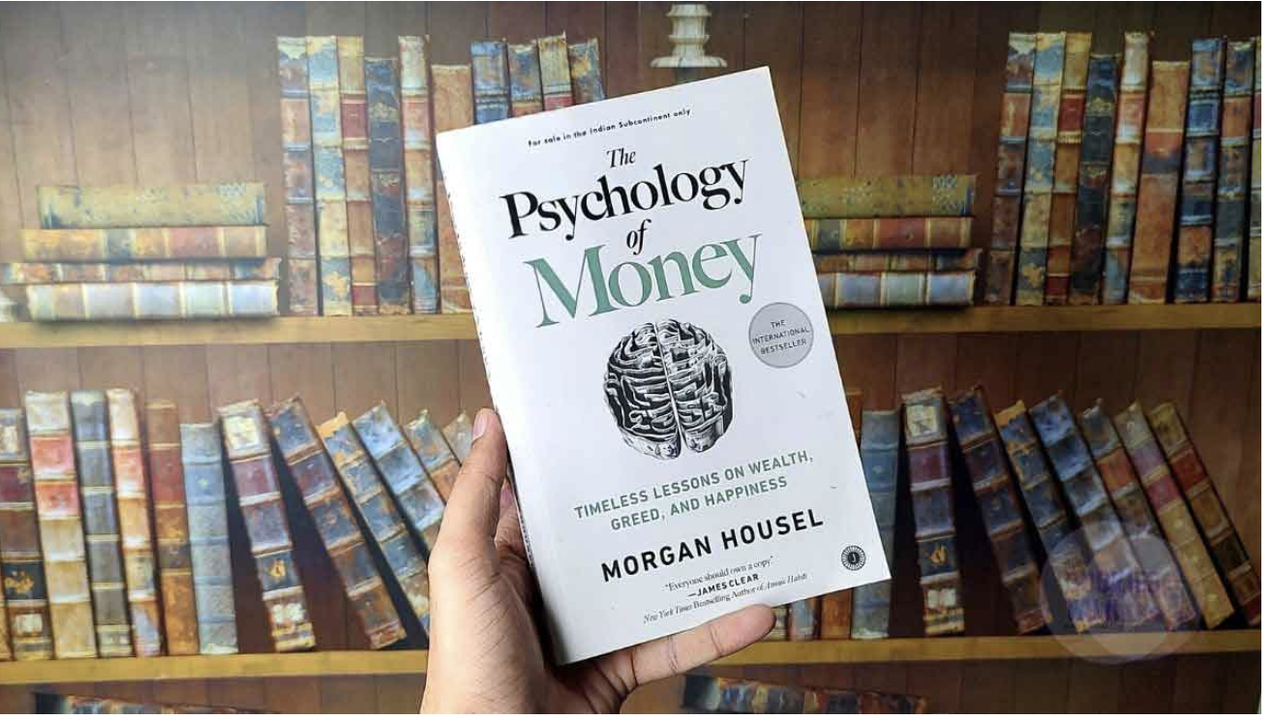
The psychology of money is the missing piece in many people’s financial education. While spreadsheets and market analysis matter, the greatest determinant of wealth lies in how one thinks, feels, and reacts under uncertainty.
By mastering cognitive biases, resisting behavioral traps, and developing mental resilience, individuals can create not just financial stability—but financial wisdom.
FAQs:
1. How do emotions affect investment decisions?
Emotions such as fear and greed often override logic, leading to impulsive buying during rallies and panic selling during downturns.
2. What’s the best way to overcome loss aversion?
Accept that losses are part of investing. Create predefined exit strategies and rely on data rather than emotion when deciding to sell or hold assets.
3. Why do people fall for financial fads?
Herd mentality and social proof make investors believe that following the crowd ensures safety, even when the fundamentals don’t support the trend.
4. How can one maintain financial discipline during market volatility?
Establish automatic investing plans, diversify, and focus on long-term objectives rather than reacting to daily market movements.
5. Is overconfidence more common among experienced investors?
Yes, success can lead to overconfidence. Experienced investors must continuously question their assumptions and reassess their strategies.
6. How does patience contribute to wealth accumulation?
Patience allows the compounding effect to work over time. Consistency and long-term holding often outperform frequent trading.
7. Can cognitive biases ever be completely eliminated?
No, but awareness helps mitigate their impact. The goal is not perfection but conscious correction through discipline and structured decision-making.